

Resources for Child Care Professionals

The Regional Municipality of Durham, Child Care and Early Years Division is committed to providing resources and learning opportunities for new and existing early learning and child care (ELCC) educators to improve their knowledge, understanding, and use of ELCC best practices.

Professional learning opportunities


The 2026 Winter GROW Newsletter is now available.

Become a registered early childhood educator to learn more about the profession visit durham.ca/BecomeAnRECE

Pre-recorded Trainings

Below are pre-recorded training opportunities created by the Child Care and Early Years Division. These videos are self-guided, self-directed trainings. If you have any questions, please contact Shannon Soul, Training Specialist, at Shannon.Soul@durham.ca.

Foundations of the Durham Region Operating Criteria (DROC): Prerequisite to the Intro to DROC sessions

This online workshop includes a descriptive overview of the DROC-AQI assessment process, and the role of the Quality and Contract Compliance Advisor. Participants will review the assessment process, how to read and understand the DROC-AQI, and what to expect before, during and after an assessment. This recording is to be viewed in advance of attending any of the Intro to DROC sessions (Infant, Toddler, Preschool and/or Before and After).

Foundations of the DROC - Pre-recorded Session

Let's get creative! Product vs. Process Art
This pre-recorded online session will provide an overview of process art and the role
it plays in supporting children's expression and engagement in the classroom
environment.
Let's get creative! Pre-recorded Session

Let's get physical!
This online workshop, to be completed at your own pace, highlights the importance of physical play for children and the benefits to their health. Learners will explore how much physical play is recommended from infants to adolescents, the different types of physical play and how to make physical play a reality in different seasons.
Let's get Physical! Pre-recorded Session


Reflecting on programming - Infants

This online workshop includes a descriptive overview of the Infant Durham Region
Operating Criteria with a focus on documenting learning experiences. Participants
will review the intent and requirements of specific sections in the Operating Criteria
that are linked to programming.
Reflecting on programming - Infants Pre-recorded Session

Reflecting on programming - Toddler
This online workshop includes a descriptive overview of the Toddler Durham Region Operating Criteria with a focus on documenting learning experiences. Participants will review the intent and requirements of specific sections in the Operating Criteria that are linked to programming.

Reflecting on programming - Toddler Pre-recorded Session


Reflecting on programming - Preschool

This online workshop includes a descriptive overview of the Preschool Durham
Region Operating Criteria with a focus on documenting learning experiences.
Participants will review the intent and requirements of specific sections in the
Operating Criteria that are linked to programming.
Reflecting on programming - Preschool Pre-recorded Session


Reflecting on programming - Before and After School

This online workshop includes a descriptive overview of the Before and After School
Durham Region Operating Criteria with a focus on documenting learning experiences.
Participants will review the intent and requirements of specific sections in the Operating
Criteria that are linked to programming.
Reflecting on programming - Before and After School Pre-recorded Session


How Does Learning Happen? - Part One - Belonging and Well-Being

This pre-recorded workshop includes a brief overview of principles and core values of the How Does Learning Happen? document. This is an opportunity for educators to engage in interactive activities that will provide them with the opportunity to reflect on their current practices and consider new ways of being and doing to support children and families in early years programs.
How Does Learning Happen? Belonging and Well-Being Pre-recorded Session


How Does Learning Happen? - Part One - Engagement and Expression

This pre-recorded workshop includes a brief overview of principles and core values of the How Does Learning Happen? document. This is an opportunity for educators to engage in interactive activities that will provide them with the opportunity to reflect on their current practices and consider new ways of being and doing to support children and families in early years programs.
How Does Learning Happen? Engagement and Expression Pre-recorded Session

Soyons créatifs – le processus de création artistique
Cette session en ligne préenregistrée donnera un aperçu de le processus de création
artistique et le rôle qu’il joue dans le soutien de l’expression et l’engagement des
enfants dans l’environnement de la classe.
Soyons créatifs – le processus de création artistique atelier préenregistrées


Réflexion sur la programmation - critères de poupons

Cet atelier comprend un aperçu descriptif des critères d'exploitationt de la région de Durham pour les programmes de poupons en mettant l'accent sur la documentation des expériences d'apprentissage. Les participants examineront l'intention et les exigences de sections spécifiques des critères d'exploitationt.
Réflexion sur la programmation - critères de poupons atelier préenregistrées


Réflexion sur la programmation - critères préscolaires

Cet atelier comprend un aperçu descriptif des critères d'exploitationt de la région préscolaire de Durham en mettant l'accent sur la documentation des expériences d'apprentissage. Les participants examineront l'intention et les exigences de sections spécifiques des critères d'exploitationt.
Réflexion sur la programmation - critères préscolaires atelier préenregistrées


L'implémentation de Comment apprend-on? - Appartenance et bien-être

Cet atelier va offrir un aperçu détaillé de Comment apprend-on? Pédagogie de l'Ontario pour la petite enfance. Les participants vont apprendre deux des quatre fondements de l'apprentissage, ce que leurs donneront des compréhensions et des idées qu'ils peuvent utiliser pour contribuer à un programme de haute qualité.Cet atelier porte sur les fondements d'appartenance et de bien-être.
L'implémentation de Comment apprend-on? - Appartenance et bien-être atelier préenregistrées


L'implémentation de Comment apprend-on? - Engagement et expression

Cet atelier va offrir un aperçu détaillé de Comment apprend-on? Pédagogie de l'Ontario pour la petite enfance. Les participants vont apprendre deux des quatre fondements de l'apprentissage, ce que leurs donneront des compréhensions et des idées qu'ils peuvent utiliser pour contribuer à un programme de haute qualité. Cet atelier porte sur les fondements de l'engagement et de l'expression.
L'implémentation de Comment apprend-on? - Engagement et expression atelier préenregistrées


Quelles sont les possibilités? Réfléchir sur les programmes de poupons

Nous allons reflechir a ce que la qualite signifie pour nous, et le relier a nos programmes pour decouvrir les possibilites.
Quelles sont les possibilités? Réfléchir sur les programmes de poupons atelier préenregistrées


Quelles sont les possibilités? Réfléchir sur les programmes de bambins

Nous allons reflechir a ce que la qualite signifie pour nous, et le relier a nos programmes pour decouvrir les possibilites.
Quelles sont les possibilités? Réfléchir sur les programmes de bambins atelier préenregistrées


Quelles sont les possibilités? Réfléchir sur les programmes préscolaires

Nous allons reflechir a ce que la qualite signifie pour nous, et le relier a nos programmes pour decouvrir les possibilites.
Quelles sont les possibilités? Réfléchir sur les programmes préscolaires atelier préenregistrées


Quelles sont les possibilités? Réfléchir sur les programmes avant et après l'école

Nous allons reflechir a ce que la qualite signifie pour nous, et le relier a nos programmes pour decouvrir les possibilites.
Quelles sont les possibilités? Réfléchir sur les programmes avant et après l'école atelier préenregistrées

Connexions Authentiques

Découvrez l’importance des liens authentiques avec les enfants et les familles, ainsi que les stratégies pour soutenir l’établissement et le maintien de ces liens.

Connexions Authentiques atelier pré-enregistrée


Professional Resource LibraryGreen tree with a open book below it

The Region of Durham's Professional Resource Library for early learning and child care professionals is funded by the Ministry of Education's Capacity Building funding. The Resource library is open every Wednesday to pick up and drop off resource kits, and for in-person visits. How to book time at the Resource Library has been streamlined - the new appointment form will make requests easier and more efficient. An appointment can be scheduled between 9 a.m. and 7 p.m., with a minimum of one business day’s notice. Please select the link below to book an appointment.

Resource Library Appointment

A room with table chairs and bookshelves

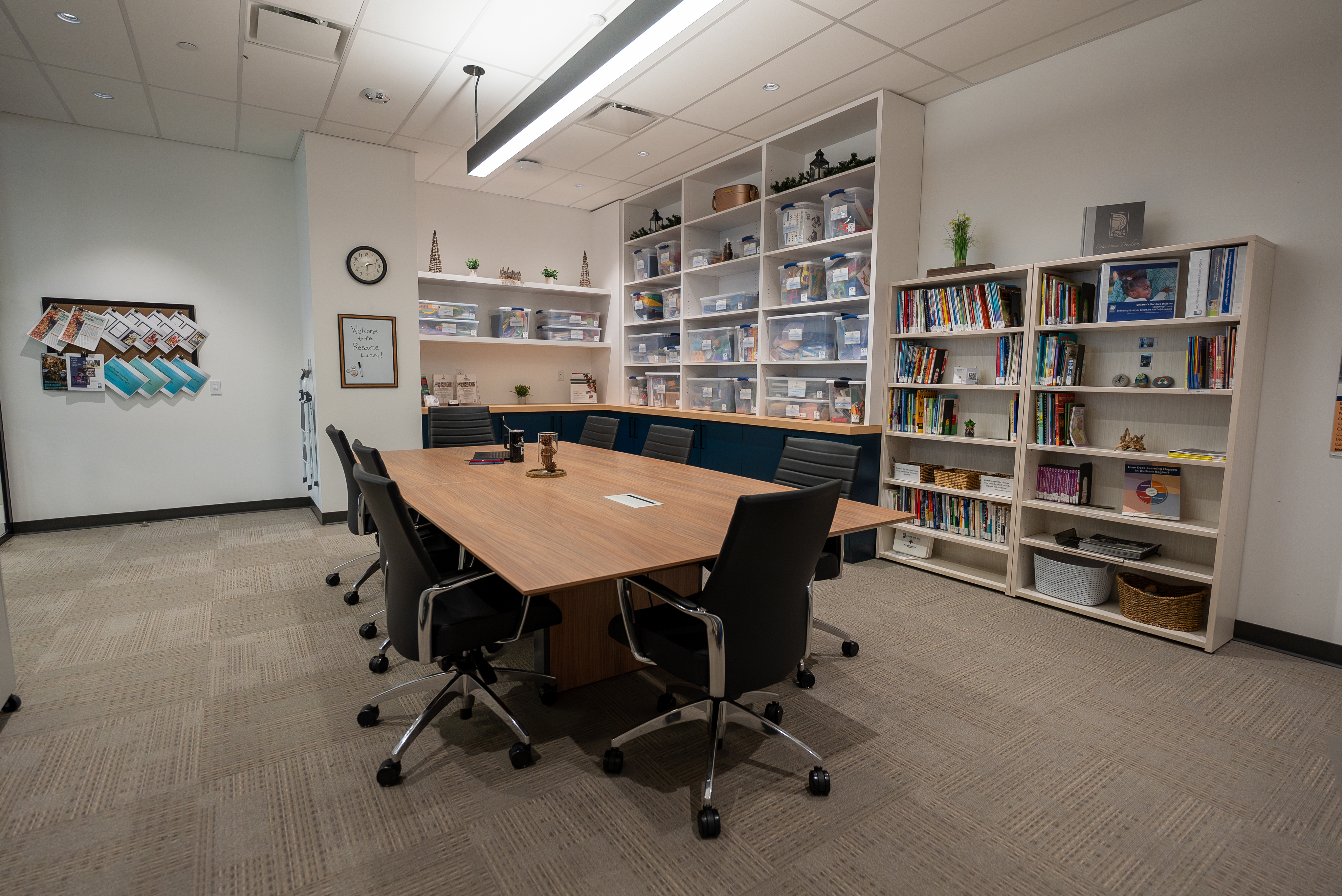
The resource library has many free resources, including new curriculum and inquiry-based kits.

The Child Care and Early Years Division, Early Learning Training Specialist Team has developed three new resources for the child care community.

La bibliothèque de ressources propose de nombreuses ressources gratuites, notamment des nouveaux trousses basés sur le curriculum et la recherche.

L'équipe de spécialistes de la formation en apprentissage précoce de la division des services à l'enfance a mis au point trois nouvelles ressources pour la communauté des services de garde.

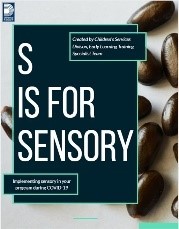
S is for Sensory resource guideS is for sensory is a thoughtfully developed resource guide on how to implement sensory learning into all areas of your programs. It includes connections to How Does Learning Happen?, benefits of sensory play, considerations for classroom set up, and sensory ideas you can implement in your program.

S est pour Sensoriel est un guide de ressources bien conçu sur la façon de mettre en œuvre l'apprentissage sensoriel dans tous les domaines de vos programmes. Il comprend des liens avec « Comment apprend-on ? », les avantages des jeux sensoriels, des considérations sur l'organisation de la classe et des idées sensorielles que vous pouvez mettre en œuvre dans votre programme.

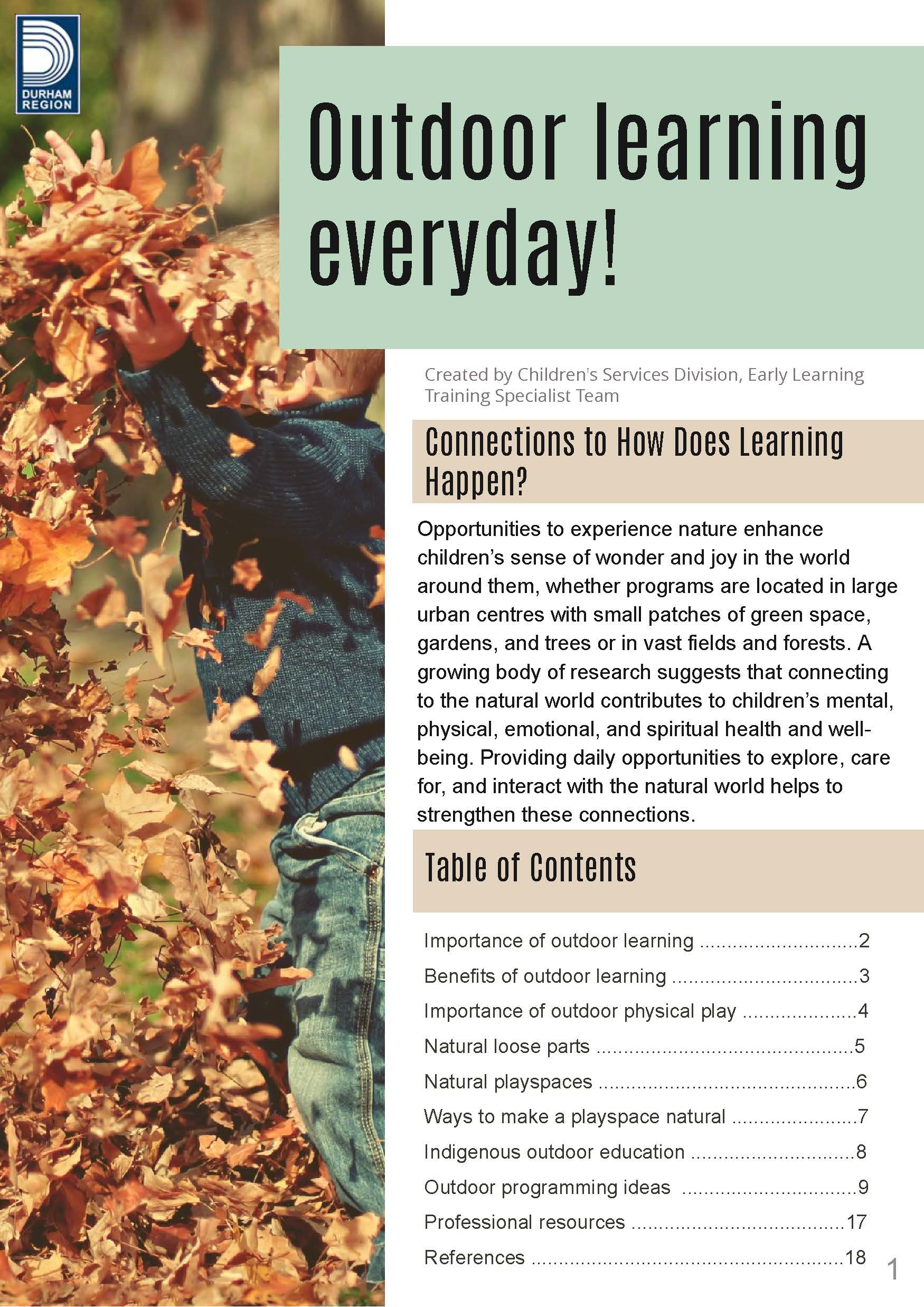
Outdoor Learning everyday resource guideOutdoor learning everyday is an outdoor resource guide developed to enhance the outdoor learning experiences in your program. It includes the benefits of outdoor play, natural loose parts, natural play spaces, Indigenous outdoor education, and outdoor programming ideas.

L'apprentissage à l'extérieur tous les jours est un guide de ressources pour l’extérieur développé pour améliorer les expériences d’apprentissage à l’extérieur dans votre programme. Il comprend les avantages du jeu a l’extérieur, des pièces détachées naturelles, des espaces de jeu naturels, de l’éducation Autochtone a l’extérieur et des idées de programmation a l’extérieur.

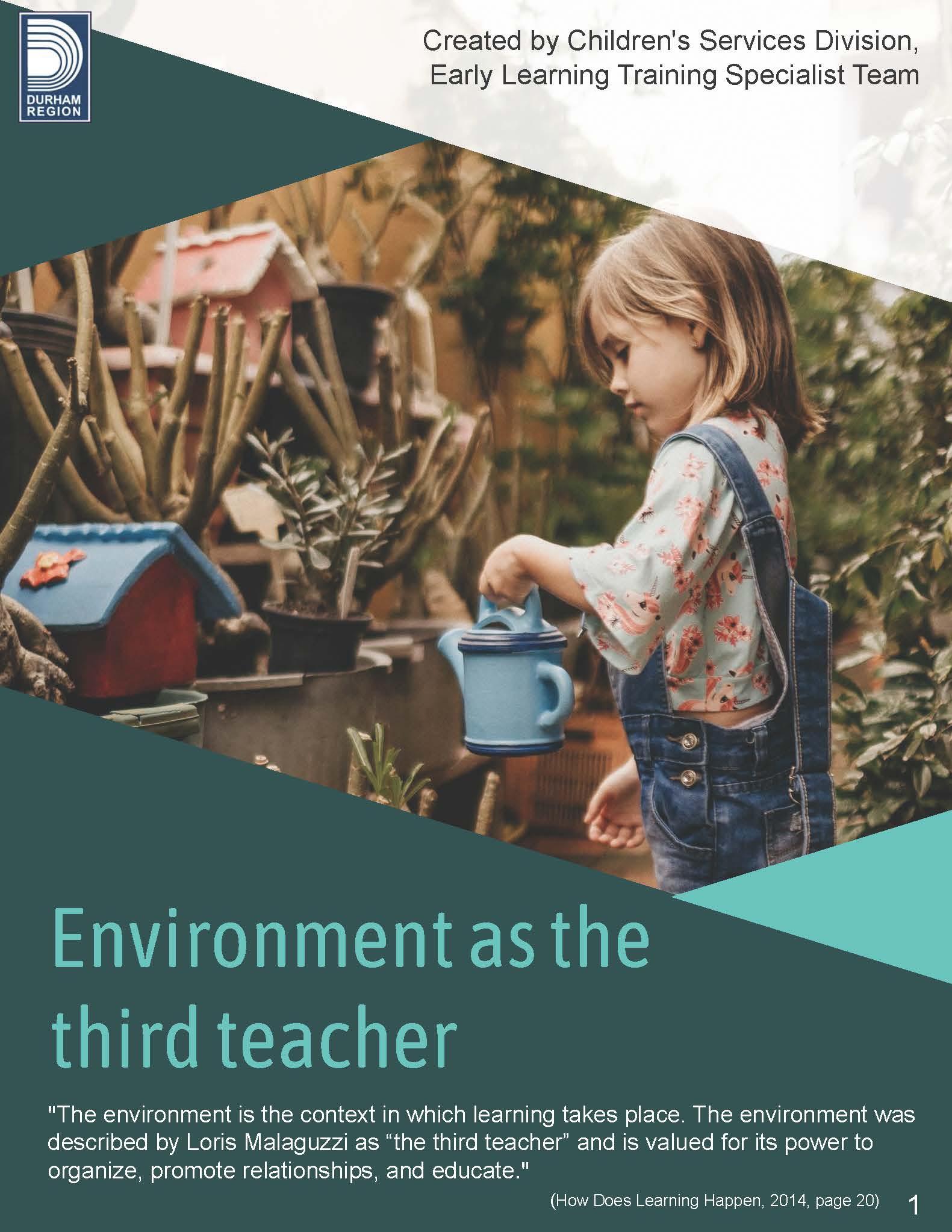
Environment as the Third Teacher includes ways to build an inclusive environment, how to organize your program space using learning areas, setting up invitations to play, and continuing your programming outdoors.

L'environnement en tant que troisième enseignant comprend des moyens de créer un environnement inclusif, d'organiser votre espace de programme en utilisant des zones d'apprentissage, de configurer des invitations à jouer et de poursuivre votre programmation à l'extérieur.

To order Heath Department resources for your daily practice, please visit the Health Care Provider Resource Order Form.

Red Flags - Signal for Support

Red Flags - Signal for Support reference guide is designed to assist early years professionals with identifying early signs of developmental concern, and to support with encouraging families to seek additional screening, assessment and/or treatment from healthcare professionals and other specialists.

This resource was adapted with the permission of The Regional Municipality of York and created through the collaboration and contributions of our community partners.

View the most recent version of the Durham Region Red Flags - Signal for Support.

Durham's Best Start Network

Durham's Best Start Network logo

Durham’s Best Start Network started in 2005 with funds from the Government of Ontario. With more than 85 members from 45 organizations, the Network creates a space for creating resources, establishing partnerships, and sharing best practices.

The Network is open to all representatives from organizations who work with children from birth to six years of age. To join one of our quarterly meetings, please contact us at beststart@durham.ca.

Providing members of the early learning and child care community with an avenue to:

  • Receive updates on the current child care environment.
  • Network and share strategies for responding to changes in the child care sector.
  • Provide feedback to various legislative bodies on how to promote quality child care and deliver services that reflect current research and best practices.

Participants can attend with a goal of becoming informed, networking, and/or taking on a role in a working group.

For more information on the Child Care Sub-Committee, connect with us at beststart@durham.ca.

Providing members of the home child care sector a method to:

  • Build capacity and resources to support the Home Child Care community
  • Creating and fostering partnerships and opportunities for community collaboration
  • Raising awareness and recognition around the home child care sector

For more information on the Home Child Care Sub-committee, connect with us at beststart@durham.ca.

Working to improve infant and early years mental health experiences for children and families across Durham by integrating the science of mental health into professional practice.

For more information on the Infant Mental Health Sub-Committee, contact us at beststart@durham.ca.

Working to provide professional development opportunities and early learning events to the early learning and child care community based on input from the community and community need. Members include representatives from a broad focus of organizations providing both direct and indirect services to children.

For more information or if you have a topic of interest that you are willing to share, please contact Lauren.Goldsmith@edukids.ca or Janine.Keith@durham.ca.

Our vision is to build a community where research informs practice, and practice informs research.

The goal of the community is to build capacity for research and knowledge exchange in post-secondary institutions and agencies serving children and families in Durham Region.

The Sub-Committee welcomes new members on a regular basis. Our existing members represent The Regional Municipality of Durham, Durham College, OntarioTech University, Trent University, local special needs resourcing agencies, EarlyON Child and Family Centres, and licensed child care agencies. Our valued members come from various backgrounds including early childhood education, research, social work, policy, and behavioural science.

If you’re interested in joining one of our bi-monthly meetings, please contact us at beststart@durham.ca.

Current projects

The Sub-Committee is currently working on a project, where parents, registered early childhood educators, public health nurses, and behaviour consultants work together to create a new resource. This resource will help preschool children develop their social competence skills. These skills are very important during the early years and can influence how children learn in school and achieve success in their social relationships.

This project has been made possible with funds from the College and Community Social Innovation Fund.

How Does Learning Happen?

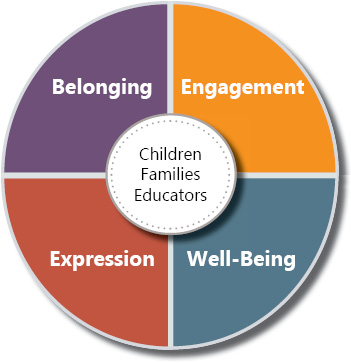
Four concepts of How Does Learning Happen?: Belonging, Engagement, Expression and Well-Being In Fall 2020, the Ministry of Education released Building on How Does Learning Happen? Pedagogical approaches to Re-opening Early Years and Child Care Programs in Ontario. This resource shares ideas, reflective questions, and lessons learned from emergency child care to help support child care and early years settings to continue to meet quality and curriculum requirements as they work to provide healthy physical, social, and emotional spaces for children and their families during the reopening phase.
In 2014, the Ministry of Education launched How Does Learning Happen? Ontario's Pedagogy for the Early Years. The pedagogy recognizes children as competent, capable of complex thinking, curious and rich in potential.

How Does Learning Happen? (HDLH) is organized around four key concepts: belonging, engagement, expression, and well-being. These concepts are the foundation of high-quality care, supporting children's future potential. Early learning and child care centres and licensed home child care agencies follow this pedagogy.

Printable posters of the four foundations of HDLH can be found in the links below:

Additional Resources

Pedagogical Inquiry Tool

Pedagogical Inquiry Tool

The Best Start Network Child Care Sub Committee is excited to share with you the recently updated and expanded professional learning tool Pedagogical Inquiry: Exploring “How Does Learning Happen?” The goal of these Inquiry sessions is to help bring the Province of Ontario’s vision of pedagogy to life.

The original series of sessions was developed by the Best Start Child Care subcommittee in 2014 and shared with the Durham child care community in 2015. In 2019, the committee once again came together to create additional inquiry sessions and modernize the existing sessions to reflect the vision of equity, diversity, and inclusion.

Each session in this tool is intended to take 15 to 20 minutes each to complete and reference Ministry of Education documents including “How Does Learning Happen?” They can be used individually or within a group of educators. Educators will have the opportunity to evaluate, examine, develop, refine, and understand the information contained in the Ministry of Education documents to establish a strong foundation for learning and development.

We hope you enjoy your Inquiry experiences!

Respectfully submitted on behalf of Durham’s Best Start Network

English Pedagogical Inquiries extensions

French Pedagogical inquiry extensions