
Harmful Plants

Watch our public health inspector discuss harmful plants and how to protect yourself.

Giant hogweed

Giant hogweed is a harmful plant. Touching the plant's sap can cause skin rashes, burns and blisters.

The plant can grow from four to six metres tall (15 to 20 feet).
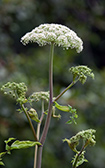
Giant Hogweed plant.

The plant has:

  • Hollow stems with dark reddish purple spots.
  • Leaves are about 1.5 metres wide.
  • Both leaves and stems have course white hair.
  • Small white flowers in the summer after a few years of growth.
If you see giant hogweed, do not touch it.

The plant makes a clear, watery sap that is found in the leaf and stem hairs. The sap in the plant may cause a reaction in the sun. It can cause blisters, burns and black and purple scars. If the sap touches the eye, it can cause temporary or permanent blindness.

If the plant sap touches your skin or eyes:

  • Wash the sap off your skin.
  • Do not touch your eyes.
  • Stay out of sun for at least 48 hours to avoid a skin reaction.
  • See a doctor.

Do not touch the plant.

If the plant is on your property, hire a lawn professional to remove the plant.

If you see the plant in a public space such as a park or on the side of the road, contact the Regional Weed Inspector with the location and description of the giant hogweed. If possible, please attach a photo.

Wild parsnip

Wild parsnip is a harmful plant. Touching it and going into the sun can cause skin burns and blisters.

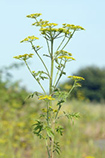
Wild parsnip plant.The plant has a yellow flower.

It is sometimes mistaken for Queen Anne's Lace (commonly called a wild carrot).

Queen Anne's Lace has white flowers. It is a tall plant and is related to Giant Hogweed. Wild parsnip will only grow from 0.5 to 1.5 metres (1.5 to five feet).

If you see wild parsnip, do not touch it.

The plant produces sap that may cause a skin irritation when exposed to the sun. The reaction can include rashes, blisters, or burns. If the sap touches the eye, it can cause temporary or permanent blindness.

If the plant sap touches your skin or eyes:

  • Wash the sap off your skin.
  • Do not touch your eyes.
  • Cover your skin or stay out of sun.
  • See a doctor.

Do not touch the plant.

If the plant is on your property, hire a lawn professional to remove the plant.

If you see the plant in a public space such as a park or on the side of the road, contact the Regional Weed Inspector with the location and description of the wild parsnip. If possible, please attach a photo.