Opioids and Overdose Prevention

Help save a life. Reverse an overdose. Carry naloxone.

Naloxone is a medication that can reverse the effects of an overdose.

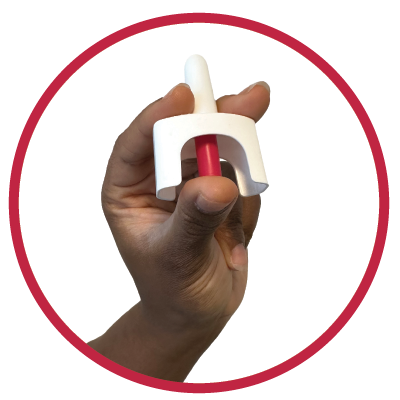
  • Hand holding naloxone.Naloxone is given when someone is having a suspected overdose on opioids. Naloxone can help the person start breathing and wake up again.
  • More than one dose of naloxone may be required depending on the amount of opioid the person has overdosed on.
  • Naloxone is given by nasal spray or needle.
  • Naloxone is free without a prescription.
  • Naloxone kits and training on how to use them are available at some drug stores and community agencies including John Howard Society of Durham and Durham Community Health Centre.

Get a free naloxone kit

You are eligible for a free kit if you are:

  • At risk of an opioid overdose.
  • A family member, friend or other person able to help someone at risk of an opioid overdose.
  • A client of a needle syringe/exchange program or hepatitis C program.
  • Newly released from a correctional facility.

Are you a community agency interested in distributing naloxone kits to your clients? Find more information at durham.ca/ONP.


Durham Opioid Response Plan

Durham Region Opioid Information System

Drug Reporting Tool

People who use drugs are real people.

The opioid crisis continues to impact individuals and families across the Region.

Watch our video series to learn more about what is happening in Durham Region and how you can help.


Get informed. Get involved. Get help.

The opioid crisis is a complex public health issue. There are many factors that have led to an increase in opioid-related overdoses. This includes high rates of opioid prescribing and the presence of strong opioids in the illegal drug supply - such as fentanyl.

  • Since 2015, the number of emergency department visits due to an opioid overdose in Durham Region increased from 231 in 2015 to 544 visits in 2024.
  • The number of Durham Region opioid related deaths increased from 29 in 2015 to 97 deaths in 2024 (Durham Region Opioid Information System, 2025).

Get informed: opioids and overdose awareness

Opioids are prescription drugs that are usually prescribed to treat moderate to severe pain. Other uses include controlling coughs and diarrhea. For some people, opioids can cause euphoria or a "high" which can make them addictive.

There are many different types of opioids that can range in strength. Common opioids include:

  • Fentanyl
  • Oxycodone
  • Hydromorphone
  • Morphine
  • Codeine (found in Tylenol 2, Tylenol 3, Tylenol 4)
  • Methadone
  • Heroin

Opioids come in many different forms such as:

  • Tablets or capsules
  • Skin patches
  • Syrups
  • Liquid for injection
  • Nasal spray

Do not take medication that has not been specifically prescribed for you.

Counterfeit drugs may look like prescription medications but do not come from a pharmacy.

These pills are made to look like real prescription medication but are not made under regulated standards and/or in legal environments. They can be mixed with unknown chemicals and/or unknown amounts of opioids such as fentanyl or carfentanil, which can be deadly.

Opioids can suppress the sensation of pain. Other effects of opioids can include:

  • Euphoria.

  • Slow heart rate.
  • Shallow, slow breathing.
  • Fatigue.
  • Difficulty concentrating.
  • Feeling that you may pass out.

Higher doses of opioids can cause more intense and longer lasting effects. An overdose can occur if someone takes more opioids than their body can handle.

Taking opioids during pregnancy can be harmful to your baby.

Learn more about pregnancy and opioids.

Fentanyl is a type of opioid. It is 50 to 100 times stronger than morphine. Even a small amount of fentanyl can cause an overdose. This amount can be as small as two grains of salt.

What is carfentanil?

Carfentanil, is an even stronger opioid, approximately 100 times stronger than fentanyl and 10,000 times stronger than morphine.

Fentanyl and carfentanil are often mixed with other street drugs such as cocaine, cannabis, heroin and ecstasy.

  • Xylazine is a non-opioid sedative that has been found in the unregulated drug supply.
  • Xylazine can cause blackouts for long periods of time, extreme disorientation and memory loss that can last for several hours.
  • When xylazine is mixed with opioids it can increase the risk of drug poisoning (overdose). Naloxone does not reverse the effects of xylazine but should still be given in case of suspected drug poisoning.
  • The use of xylazine-contaminated drugs can lead to skin and soft tissue infections and difficult to heal wounds. See our harm reduction guide to wound care.

All types of opioids have a risk of overdose, which can lead to respiratory distress (having trouble breathing).

An overdose on opioids can include any of these signs or symptoms:

  • Not waking up
  • Limp body
  • Slow or no breathing
  • Blue lips and nails
  • Cold skin
  • Very small pupils
  • Choking or throwing up
  • Snoring or gurgling

An overdose is a medical emergency.

If you think someone has overdosed on opioids, call 911 immediately. Even if naloxone was given, call 911 as naloxone may wear off and overdose symptoms can return.

5 steps to save a life:

  • Shout (their name) and shake (their shoulders)
  • Call 9-1-1 (if they do not respond)
  • Give naloxone (1 spray into nostril or inject 1 vial or ampoule into arm or leg)
  • Perform chest compressions and/or rescue breathing
  • Is it working? (if no improvements after 2-3 minutes, repeat steps 3 and 4).
    Stay with them as naloxone may wear off and overdose symptoms can return.

If you or someone you know has an opioid use disorder, consider using the following overdose prevention tips:

  • Always use in the company of friend or around other people.
  • Use less at first, especially if you are using a new product.
  • Make an overdose plan with friends or drug partners.
  • Use one drug at a time.
  • Use less after any period of abstinence or decreased use – even a few days away can lower your tolerance.
  • Test the strength of the drug before you use the whole amount.
  • Use a less risky method (for example, snort instead of inject).
  • Age and physical health matter; stay hydrated, eat regularly and get enough sleep and rest when you feel worn down.

Additional tips on preventing overdoses.

Where to get help for addiction or mental health issues.

Naloxone is a medication that can reverse the effects of an overdose.

Get a free naloxone kit

Hand holding naloxone.Here is what you need to know about naloxone:

  • Naloxone is given when someone is having a suspected overdose on opioids. Naloxone can help the person start breathing and wake up again.
  • More than one dose of naloxone may be required depending on the amount of opioid the person has overdosed on.
  • Naloxone is given by nasal spray or needle.
  • Naloxone is free without a prescription.
  • Naloxone kits and training on how to use them are available at some drug stores and community agencies including John Howard Society of Durham and Durham Community Health Centre.

You are eligible for a free kit if you are:

  • At risk of an opioid overdose.
  • A family member, friend or other person able to help someone at risk of an opioid overdose.
  • A client of a needle syringe/exchange program or hepatitis C program.
  • Newly released from a correctional facility.

Community agencies

Are you a community agency interested in distributing naloxone kits to your clients? Find more information at durham.ca/ONP.

The Good Samaritan Drug Overdose Act provides some legal protection for people who experience or witness an overdose and call 9-1-1 for help.

The act can protect you from:

  • Charges for possession of a controlled substance (i.e. drugs)
  • Breach of conditions regarding simple possession of controlled substances (i.e. drugs) in:
    • pre-trial release
    • probation orders
    • conditional sentences
    • parole

The act does not provide legal protection against more serious offences, such as:

  • outstanding warrants
  • production and trafficking of controlled substances
  • all other crimes not outlined within the act

Abstinence is avoiding use of a drug or substance (Health Canada, 2022). Abstinence may be the right choice for some but may not be a realistic or desirable goal for others. If a person who uses substances chooses to work toward abstinence, it is important that they are told about the potential risks of abstinence, and offered support and interventions based on best practices, current evidence, and their unique needs. Seeking abstinence is compatible with a harm reduction approach, which supports people in defining their own goals.

Harm reduction is an evidence-based, public health approach that aims to reduce the negative health, social, and economic impacts of substance use, without requiring or promoting abstinence (Government of Canada, 2023).

Abstinence and harm reduction

Opioid Agonist Therapy

Drug Checking

A recovery-oriented approach uses strategies to empower people to use their strengths and skills to help them lead the life that they choose when experiencing substance use and mental health issues

Recovery-oriented care

Expired and unused medications are often left in medicine cabinets and cupboards. These medications can pose safety risks for you and your family.

In 2023, one in four (25%) Durham Region students (grade 7-12) reported that they had used a prescription opioid pain reliever without a prescription.

In 2017

  • One-quarter (24 per cent) of Durham Region students (grade 7 to 12) reported that it was very easy or fairly easy to get prescription pain-relief pills if they wanted them.
  • 9 per cent reported getting them most often from a parent or sibling.
  • 14 per cent of Durham Region students felt that taking them when not prescribed posed slight to no risk of harming themselves.

Keep your family safe and return your expired/unused prescriptions to any pharmacy. Do not flush prescriptions down the sink or toilet.

Patch for Patch Program (P4P)

People with opioid patch prescriptions must return their used patches to their pharmacy to get new ones. Used patches can be dangerous to the environment, to children and to animals. Do not flush or throw out the patch.

Rapid Access Addiction Medicine Clinic (RAAM) - PRHC

Get involved: the harms of stigma and what you can do about it

Stigma is negative thoughts or beliefs about a group of people based on their life circumstances. It can involve judging, labelling and stereotyping.

Why does it matter?

Stigma can have a major impact on the lives of people who use drugs and their families. "Stigma can destroy self-esteem and relationships, make it harder to access treatment, jobs and housing, and leads to discrimination and isolation" (Health Canada, 2022).

Stigma creates barriers and prevents people who use drugs and their families from getting the help they need. Help end stigma in Durham Region.

  • Educate yourself about substance use disorders.
  • Substance use disorders are a medical condition that deserve care like any other health condition or disorder.
  • Reflect on your own potential biases toward people who use substances.
  • Speak up when you hear or witness someone being treated or spoken to/about in a disrespectful manner.
  • Change the way we talk about substance use.

Why language matters?

Stigma can be reduced by changing the language we use. For example:

  • Speak to the person first before you talk about their substance use. Individuals are more than the substances they use. For example, ask a person about themselves first before you address their substance use.
  • Use people first language that focuses on the individual. For example: person who uses drugs vs. drug user, person with substance use disorder vs. addict.
  • Use neutral, medically accurate language.
  • Use language that promotes the fact that recovery is possible.
  • Use language that expresses care and concern, rather than judgement.
  • Avoid using slang or derogatory language (e.g. junkie; clean vs. dirty).

For more information visit the Health Canada website.

Many people who use substances will share that they have experienced trauma or violence at some point in their life. This could include abuse or neglect, physical or sexual violence, accidents and sudden unexpected loss. For some, these experiences affect their ability to cope and they resort to substances as a coping strategy, making them at risk for substance use problems.

What is a trauma and/or violence informed approach?

Trauma and violence informed approaches, recognizes the connections between violence, trauma, negative health outcomes and behaviours (Health Canada, 2018). It recognizes an understanding of trauma in all areas of service delivery and places a priority on the trauma survivor’s:

  • physical safety,
  • emotional safety,
  • opportunities to make choices, and
  • control over their treatment

What can you do?

Any time you are engaging with other people, recognize that trauma and violence:

  • can happen to anyone of any age, cultural background and socioeconomic status.
  • is the result of violence, abuse, neglect, loss, disaster, war and other emotionally harmful experiences.
  • can influence a person’s behaviour and the choices they make.
  • is more common than the research shows.

Many trauma survivors who use substances to cope are at risk of being re-traumatized and struggle to access supports. Taking a trauma and violence informed approach in all interactions with other people can help reduce these risks and promote recovery for trauma survivors.

Helpful tips for taking a trauma and violence informed approach:

  • View every person as possibly having experienced trauma as well as having strength and resilience.
  • View the survivor as having the ability to make changes and being able to recover from trauma.
  • Be attentive to the person and ask what they need. This helps the person take part in their care.
  • Create safety and trust, by allowing the trauma survivor their reactions without judging them.
  • Be honest, compassionate and consistent.
  • Offer opportunities to make choices and be willing to work with them. This helps survivors recognize their strengths and take control of their lives.

For more information on trauma and violence informed approaches check out the Government of Canada’s web page on trauma and violence informed approaches to policy and practice and Alberta Health Services e-learning modules on trauma informed care.

Get help: addiction and mental health services

Substance use disorders

A substance use disorder is a medical condition, deserving of care just like any other health condition or disorder. When someone is affected by a substance use disorder they have powerful craving for the drug and continue using it despite the harms it causes.

Using substances can cause changes in the brain and body that can make it hard to stop using the substance. People who develop a physical dependence to the drug can experience symptoms of withdrawal when they stop using. Learn more about abstinence and harm reduction. Recovery from a substance use disorder is possible with recovery-oriented care.

Recovery from a substance use disorder is possible.

Crisis services

For immediate help call 911 or visit one of the hospital emergency departments listed below:

Lakeridge Health Corporation:

  • Ajax-Pickering: 580 Harwood Ave S, Ajax, ON L1S 2J4
  • Oshawa: 1 Hospital Ct, Oshawa, ON L1G 2B9
  • Bowmanville: 47 Liberty St S, Bowmanville, ON L1C 2N4
  • Port Perry: 451 Paxton St, Port Perry, ON L9L 1L9
Oak Valley Health:

Uxbridge site: 4 Campbell Dr, Uxbridge, ON L9P 1S4

Counselling and treatment services

Rapid Access Addiction Medicine (RAAM) clinics in Durham Region (Lakeridge Health) offer fast access to quality care on a walk-in basis for people living with alcohol and opioid-related addictions. Services include medical treatment and same-day counselling services without a doctor’s referral.
Oshawa Hospital: Mondays and Thursdays, 9 a.m. to 11 a.m., 905-576-8711 extension RAAM (37226)
Pinewood: Tuesdays and Thursdays, 9 a.m. to 11 a.m., 905-576-8711 extension RAAM (37226)

Pinewood Centre of Lakeridge Health offers inpatient and outpatient assessment and treatment for mental health and addiction issues.
905-721-4747

Durham Community Health Centre offers counselling and programs for mental health concerns and addictions.
Oshawa: 905-723-0036
Ajax: 905-428-1212

Canadian Mental Health Association provides a broad range of mental health services.
905-436-8760
Toll Free: 1-844-436-8760

Durham Mental Health Services provides services to teenagers 16 years of age and older who are dealing with mental health issues and substance abuse.
905-666-0831

John Howard Society of Durham Region provides referrals and support to navigate addictions, medical, and mental health services through our Harm Reduction Programs.
905-579-8482 extension 244 (Xchange staff)
905-431-6782 (Harm Reduction Outreach Program)

ConnexOntario provides free and confidential health services information for people experiencing problems with alcohol and drugs, mental illness and/or gambling. The information and referral service is live-answer 24/7, confidential, and free.
1-866-531-2600

Frontenac Youth Services offers a mental health crisis hotline and school services to youth who are 12 to 18 years of age within Durham Region. This organization also provides substance abuse treatment for youth.
1-888-454-6275

211 is a free, multilingual, 24/7 helpline answered by community navigators who help callers connect with services and programs in their community. The helpline is supported by an online database of community, social, health and government services.

Narcotics Anonymous (Central Lake Ontario Area branch) provides resources on alcohol and other drugs.
Helpline: 1-888-811-3887

Afridi Medical Clinic offers outpatient assessment and treatment for addictions. Treatment services also provided for concurrent mental health disorders and chronic Hepatitis C infections. Referral required.
905-721-7732

Project X-Change

Goals of the program:

  • To decrease the spread of hepatitis B and C and HIV among drug users and their sexual partners.
  • To educate people who use substances and the community at large of the dangers of sharing needles and/or use of other drug paraphernalia and engaging in risky sexual practices.
  • To offer assistance and referrals to other community supports.
  • To protect the public from the risk of contact with contaminated needles and equipment that hasn’t been disposed of properly.

The program provides access to:

  • Clean (sterile) needles.
  • Clean (sterile) equipment such as water and alcohol swabs.
  • Vitamin C.
  • Cookers and filters.
  • Condoms.
  • Latex-free tourniquets.
  • Referrals to a variety of health and social services including addiction treatment programs.

Supply locations

Ajax

Pinewood Centre of Lakeridge Health
95 Bayly Street West - Suite 406
Ajax, ON L1S 7K8
905-721-4747

Beaverton

Ontario Addiction Treatment Services (OTAC)
371 Simcoe Street
Beaverton, ON L0K 1A0
705-426-2362

Bowmanville

John Howard Society of Durham Region
132 Church Street
Bowmanville, ON L1C 1T5
905-623-6814

Pinewood Centre of Lakeridge Health
200 King Street East
Bowmanville, ON L1C 1P3
905-721-4747

Oshawa

AIDS Committee of Durham Region
115 Simcoe Street South
Oshawa, ON L1H 4G7
905-576-1445

Ontario Addiction Treatment Services (OTAC)
45 Bloor Street East, Unit 2
Oshawa, ON L1H 3L9
905-443-0223

Parkwood Pharmacy
117 Simcoe Street North
Oshawa, ON L1G 4S4
905-728-1668

Pinewood Centre of Lakeridge Health
300 Centre Street South
Oshawa, ON L1H 4B2
905-721-4747
Crisis walk-in support seven days a week.

Pinewood Centre of Lakeridge Health
419 King Street West
Oshawa, ON L1J 2K5
905-721-4747

John Howard Society of Durham Region
75 Richmond Street West
Oshawa, ON L1G 1E3
905-579-8482

Scotts Drug Mart
1000 Simcoe Street North
Oshawa, ON L1G 4W4
905-576-7000

Walter's Pharmacy
140 Simcoe Street South
Oshawa, ON L1H 4G9
905-240-1616

Port Perry

Pinewood Centre of Lakeridge Health
180 Mary Street
Port Perry, ON L9L 1C4
905-721-4747

Whitby

John Howard Society of Durham Region
114 Dundas Street East - Suite 200
Whitby, ON L1N 2H7
905-666-8847

Mobile outreach

Durham Community Health Centre - Harm Reduction Outreach Program
289-385-3741

Canadian Mental Health Association (CMHA)
Nurse practitioner led outreach
905-436-9945

John Howard Society of Durham Region
905-440-5410
Monday to Friday: 6 p.m. to 11 p.m.

Project X-Change is funded by the Durham Region Health Department. It is operated by the John Howard Society of Durham Region.