
Cannabis
Learn about the health effects of cannabis, get informed about the laws, access community supports, and learn about ways to lower risks for you or those in your life who choose to consume cannabis.
Mindful consumption
Cannabis comes in many different forms, each with different risks. If you choose to use cannabis, edible cannabis has unique characteristics to be mindful of. Check out the resources below for helpful information on: edible cannabis, cannabis in general, as well as ways to lower your risk and where to seek support.
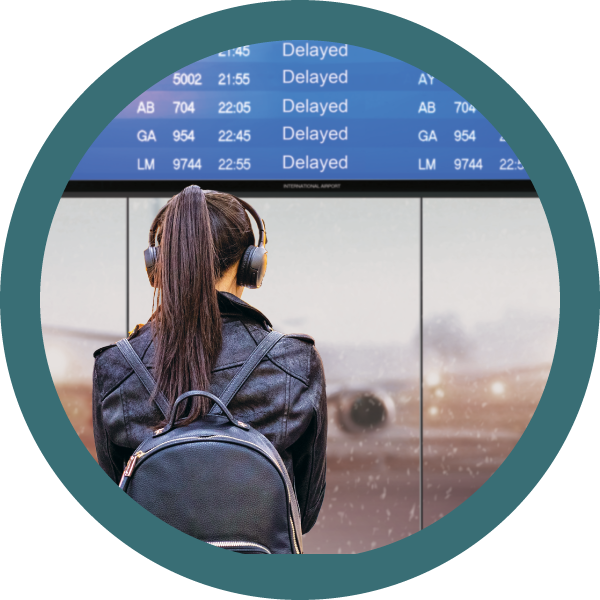 Mind the time
Edible cannabis and health effects
Start low and go slow. Cannabis edibles have delayed effects. It can take from 30 minutes to two hours to feel the effects of edible cannabis and the effects can last up to 12 to 24 hours.
- 7 things you need to know about edible cannabis
- Cannabis: inhaling vs. ingesting | Infographic
- Edible cannabis: Always read the label | Infographic
- Edible cannabis, cannabis extracts and cannabis topicals: A primer on the new cannabis products
- Clearing the smoke on cannabis: Edible cannabis products, cannabis extracts and cannabis topicals
- Health effects of consuming cannabis edibles
- Cannabis products, including edibles
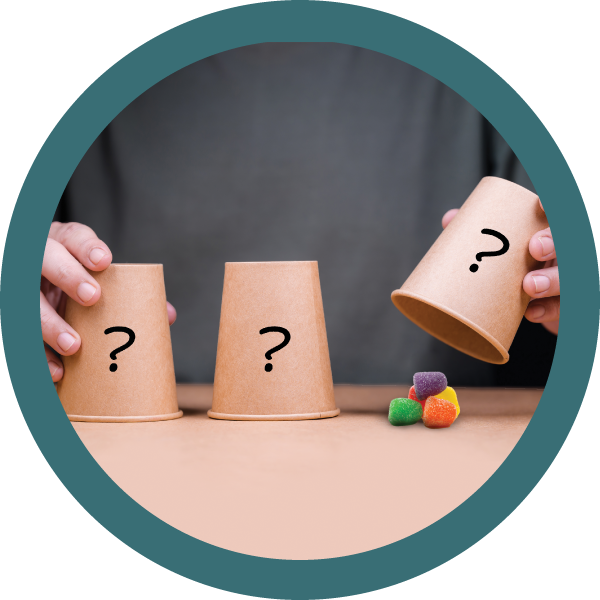 Mind the source
Recognizing legal versus illegal cannabis and reading labels
Purchase from legal sources. Unregulated cannabis products may contain higher levels of THC (delta-9-tetrahydrocannabinol), be contaminated with other substances, and have packaging that is appealing to children and youth. Check the amount of THC. Not all cannabis is created equal.
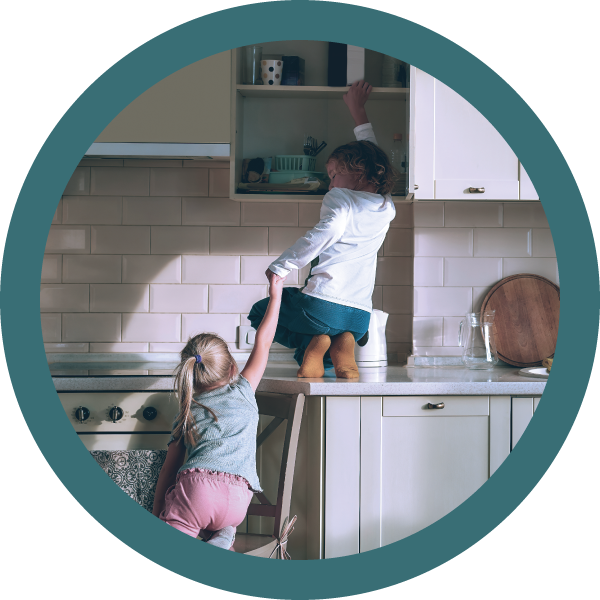 Mind their reach
Safe storage and preventing cannabis poisoning in children and pets
Lock it up. Store cannabis safely out of reach of children and pets.
- Cannabis and kids
- Accidental ingestion of illegal "copycat" edible cannabis products causing serious harm to children
- Cannabis poisonings in children
- How to help prevent cannabis poisoning in children
- How to help prevent cannabis poisoning in children | Video
- Cannabis and your health: Cannabis poisoning
- Safe storage of cannabis
- Where should I store cannabis? | Video
- How to safely store your cannabis | Infographic
Ways to reduce risk when using cannabis
- Cannabis - Lower your risks (Start low, Go slow)
- 10 ways to reduce risk to your health when using cannabis - Canada’s Lower-Risk Cannabis Use Guidelines (LRCUG)
- The blunt truth: Useful tips about safer ways to use cannabis
Get help: Concerned about your or someone else’s cannabis use?
- Knowing your limits with cannabis: A practical guide to assessing your cannabis use
- Access community supports
Parents: Know how to talk with your teen
Parents who provide their kids with balanced information about the effects associated with cannabis can help them make informed decisions. Addressing this early and often can help prevent underage use and protect their kids’ health and development.
It’s important to understand that expressing curiosity does not always result in experimentation. It’s natural for youth to feel curious and have questions about cannabis use. Your kids are likely asking you some tough questions and challenging you on the topic of cannabis.
Substance (formerly Drug Free Kids Canada) has developed the Cannabis Talk Kit to help parents learn how to set the stage and have open dialogue with their pre-teen or teen.
Get started! Download the Cannabis Talk Kit.
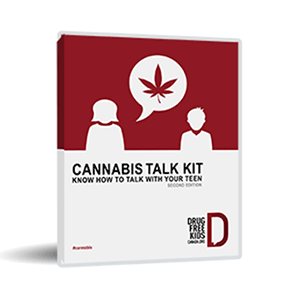 Cannabis Talk Kit
Youth and cannabis
Cannabis use among Durham Region students grades 9-12| Youth who use early and often may experience problems with: | There is also a higher risk of: |
|---|---|
|
|
Are you an educator looking for cannabis-related information?
Every school in Durham Region has a public health nurse to assist with health topics including cannabis.
Cannabis and the law
People 19 years and older can buy cannabis from the online Ontario Cannabis Store. There are restrictions to where you can use, how much you can grow at home and have in public, and restrictions to driving after consuming cannabis.
Find more specific information on the legalities of using cannabis.
What is the legal age to buy cannabis?
It is illegal to grow, possess, buy, sell or share cannabis for anyone under 19 in Ontario.
This is the same as the minimum age for the sale of tobacco and alcohol.
Adults who give or sell cannabis to minors can be fined and/or receive jail time.
You can grow up to four cannabis plants per household/residence (not per person).
If you are growing at home, review the Fact Sheet: Environmental Health Risks of Personal Cannabis Cultivation from National Collaborative Centre for Environmental Health.
An individual can have up to 30 grams (about one ounce) of dried cannabis in public at one time.
Accidental consumption of cannabis contact Ontario Poison Control Centre at 1-800-268-9017
The Ontario government prohibits smoking or vaping cannabis in:
- Enclosed public places, such as inside businesses, hospitals, restaurants and apartment building hallways
- Enclosed workplaces
- Common areas of buildings, such as hallways, laundry rooms and entertainment rooms
- Schools and school grounds
- Near child care centres
- Restaurants, bars and patios
You may not consume any form of cannabis in a vehicle or boat, whether the person is a driver or a passenger.
Learn more about where you can’t smoke or vape in Ontario
Landlords, condominium boards and co-operative housing boards may place additional restrictions on cannabis use. Check what rules apply to your residence.
If you chose to use cannabis in permitted public areas be mindful of others around you.
What are the laws for driving?
Driving impaired by cannabis is illegal and dangerous. It slows your reaction time and increases your chance of being in a car crash. If a police officer finds that you are impaired by any drug, you will face serious penalties.
Check out the Ontario government web page on Cannabis legalization for more information.
Visit our Road and Traffic Safety page for more information.
Zero tolerance for young, novice and commercial drivers. If you are planning to use cannabis, plan a safe ride home.
If you are 21 or under, a novice driver, or a commercial driver, there is a zero-tolerance law for impaired driving. You cannot have any cannabis in your system.
Medical cannabis is subject to different rules than recreational cannabis and has not changed with legalization.
Research is evolving on the use of cannabis for medical purposes. Like any medication, there are risks. We recommend that you consult with your family physician, nurse-practitioner or health care provider for more information.
You can find more information on Medical Cannabis at Health Canada.
Cannabis and your health
| How cannabis affects you depends on: | People can have very different experiences with cannabis |
|---|---|
|
|
Physical effects from using cannabis
The physical effects from using cannabis include:
- Red eyes
- Dry mouth
- Irritated respiratory system (from smoking)
- Increased appetite, heart rate and blood pressure
- Altered balance and stability
- Drowsiness or restlessness
Edible cannabis products often look just like regular sweets and can be mixed with food or drinks.
When cannabis is eaten, the effects are felt anywhere between 30 minutes to two hours. The feeling may last 12 hours or longer. Because it can take longer to feel the "high", there is a greater risk of taking too much. This can make you feel anxious, paranoid and cause hallucinations.
If you are planning to eat or drink a product made with cannabis:
- Do not mix cannabis in any form with alcohol.
- Know how much is in your serving.
- Wait until you feel the full effects before consuming more (remember it can take two hours or longer).
Keep edibles in a locked location, away from kids or pets.
If you use cannabis, follow these tips to prevent accidental poisoning:
Safe Storage: If there is cannabis in your home, store it like medications and other toxic products. Make sure cannabis is stored out of reach and in a locked cupboard. Children can find ways to open child proof bottles. Clearly label cannabis products and store them in their original packaging. Make sure that anyone who looks after your kids does the same.
Avoid using cannabis in front of kids: Seeing cannabis in some forms, especially brownies and candies, can be tempting for kids. Using cannabis can impair your judgement and ability to keep children safe.
Accidental poisoning: If a child eats cannabis by accident, call Ontario Poison Control Centre toll-free at 1-800-268-9017. Expert advice is available to all of Ontario, 24 hours a day.
If the symptoms are severe, call 911 right away.
Pregnant and breastfeeding women
Cannabis use during pregnancy can harm your baby’s health. Cannabis can affect brain development and behaviour during their childhood.
Facts about cannabis smoking and second-hand cannabis smoke
- Cannabis smoking has been consistently related to a greater incidence of cough, wheeze, aggravation of asthma, sore throat, chest tightness, shortness of breath and hoarse voice.
- There is evidence that quitting cannabis smoking can reverse some of the negative respiratory symptoms associated with its use.
- Cannabis smoke contains many of the same cancer-causing chemicals as tobacco smoke.
For more information on the effects of cannabis smoking and second-hand cannabis smoke, refer to the Canadian Centre on Substance Abuse resource, Clearing the Smoke on Cannabis: Respiratory and Cardiovascular Effects of Cannabis Smoking [report].
Lower your risk of using cannabis
Cannabis use is a personal choice, but it comes with risks to your health and well-being.
Follow Canada’s Lower-Risk Cannabis Use Guidelines (LRCUG) to reduce your risk.
Signs of having a problem with using cannabis
Signs that a person may have a problem with cannabis include:
- Ignoring responsibilities at work, school or home
- Giving up activities that they use to find important or enjoyable
- Using more cannabis, more frequently
- Feeling unable to cut down or control cannabis use
- Changes in mood
- Changing friends
- Having difficulties with family members
- Being secretive or dishonest
- Changing sleep habits, appetite or other behaviours
- Borrowing money or having more money than usual
It is sometimes hard to detect a problem with cannabis use. If you have concerns about someone in your life, talk to them to find out if there’s a problem.
Want to cut back or quit using cannabis?
There are many resources available if you decide to seek help. It is not recommended to quit "cold turkey" as you may experience withdrawal symptoms like irritability, anxiety, upset stomach, loss of appetite, sweating and disturbed sleep (CCSA, 2017).
The first step is to talk to a medical professional, family member, a friend or counsellor.
- When cannabis is smoked, vaped or dabbed, you can feel high right away. These feelings can last six hours or longer.
- When cannabis is eaten, the effects are felt in about 30 minutes to two hours. The feeling may last 12 hours or longer.
Can using cannabis be dangerous?
The following health risks are increased for those who use heavily or regularly:
- Problems with thinking, memory or co-ordination
- Impairment, which can lead to injuries including car crashes
- Hallucinations
- Mental health problems, especially if you or a family member has had a mental health issue, like psychosis or an addiction
- Cannabis addiction
- Breathing or lung problems including lung cancer – from smoking
- Accidentally taking too much, either by the person using or child who finds the product
- Cannabis smoke contains many of the same chemicals as cigarette smoke and several of these chemicals are known to cause cancer. While there is limited research at this time on the effects of second-hand cannabis smoke exposure, cannabis smoke should be avoided.
Can cannabis lead to dependence?
- Some people who use cannabis develop problems and can develop a dependence.
- The younger you started using and using everyday makes your risk for addiction higher.
- People who are addicted often think about cannabis and feel worried if they won’t be able to get it.
- If you suddenly stop using, you may have withdrawal symptoms. These include irritability, anxiety, upset stomach, loss of appetite and disturbed sleep.
Help for substance use, addictions and mental health
Connex Ontario
Provides free and confidential health services for people experiencing problems with alcohol, drugs, mental illness or gambling in Ontario.
Phone: 1-800-565-8603 (24/7)
Durham Mental Health Services
Provide services to people 16 years of age and older and their families who are dealing with mental health issues and problematic substance use.
- Phone: 905-666-0831 or 1-800-855-3647
- Durham Crisis Response Line: 1-800-742-1890 (24/7)
Narcotics Anonymous
Peer support group for anyone with a desire to stop using drugs.
Helpline: 1-888-811-3887 (Call back within 24 hours)
Ontario Shores Mental Health Sciences
Provides in-patient and out-patient assessment and treatment for mental health concerns.
- Website
- Phone (Intake): 1-877-767-9642 (Monday to Friday, 8:30 a.m. to 4:30 p.m.)
- Crisis Response Line: 1-800-263-2679
Pinewood Centre
Provides services to support people with alcohol, drug, concurrent mental health and gambling related concerns, including programs for youth. For general information, to discuss concerns, and/or to book an assessment appointment, contact the location that is most convenient.
- Ajax: 905-683-5950
- Bowmanville: 905-697-2746
- Oshawa: 905-571-3344
- Port Perry: 905-985-4721
- For immediate 24-hour telephone support and crisis walk-in services, call: 1-888-881-8878 or 905-723-8195 (24/7), 300 Centre Street South, Oshawa.